
Reliable And Affordable
Amarillo HVAC Services
Bob Jay’s HVAC Services offers comprehensive solutions for all your heating, ventilation, and air conditioning needs in Amarillo HVAC. We provide professional installation, repair, and maintenance services to ensure optimal performance and comfort for your home or business throughout the year. Our team of experienced HVAC technicians in Amarillo is dedicated to delivering efficient and reliable service tailored to your specific requirements, making us the trusted choice for Amarillo HVAC services.
Visit our contact page to get started today!
What HVAC Services do we offer?
- Heating Services
- Thermostat Installation & Repair
- Ducts and Ventilation Systems Service
- Preventative HVAC Maintenance
- Daikin AC unit installation & repair services
Why should I consider Bob Jay's HVAC?
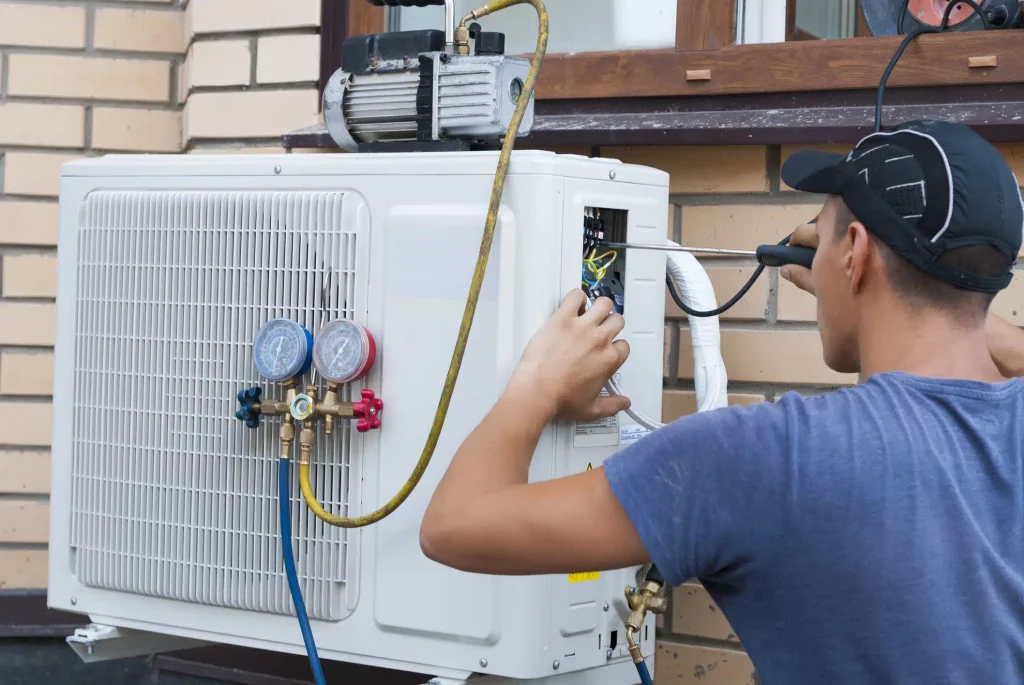
Choose Bob Jay’s for Amarillo HVAC Services to benefit from our comprehensive expertise, professional service, and commitment to customer satisfaction. Our experienced HVAC technicians provide reliable and efficient solutions tailored to meet your specific heating, cooling, and ventilation needs.
How Does the Texas Panhandle Heat Affect Air Conditioning Systems?
Summers in the Texas Panhandle can place significant demands on residential and commercial air conditioning systems. During extended periods of high temperatures, cooling equipment may operate for longer cycles and more frequently throughout the day. This additional workload can make existing problems with airflow, electrical components, refrigerant systems, or aging equipment more noticeable.
Homeowners should pay attention to changes such as reduced airflow, uneven temperatures, unusual noises, or an air conditioner that seems to run constantly without maintaining the desired temperature. These symptoms can indicate that the system needs professional attention.
What to expect when
Scheduling HVAC Services
When you schedule HVAC service with us, we begin by learning what you’re experiencing with your heating or cooling system. Problems such as reduced airflow, unusual noises or odors, uneven temperatures, rising utility bills, or difficulty maintaining a comfortable temperature can help us understand where to begin our evaluation.
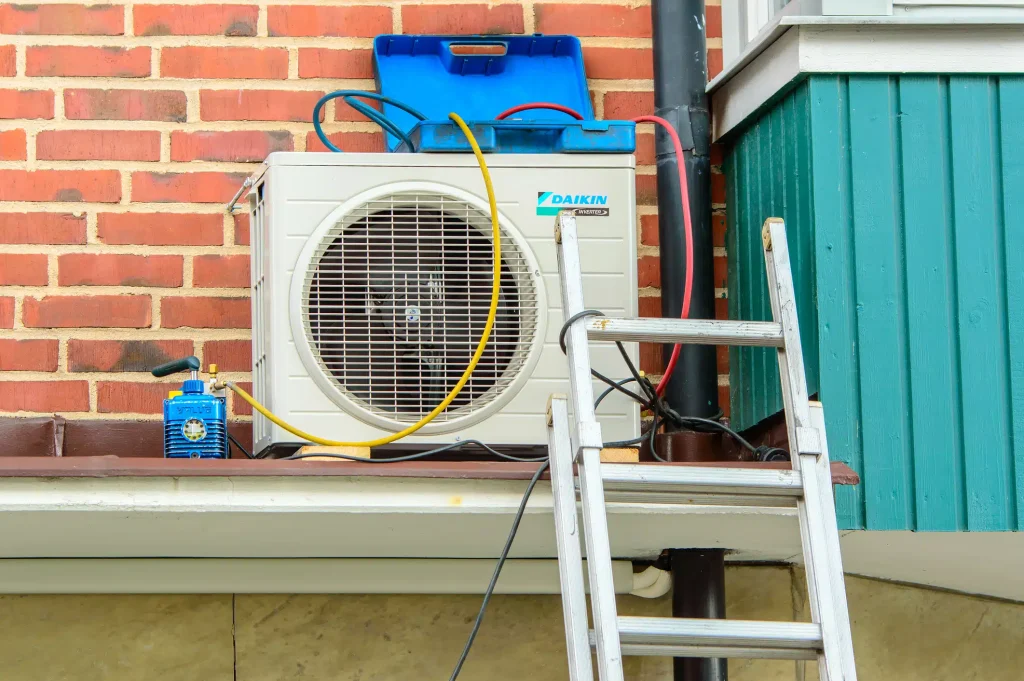
Once our technician arrives, we’ll evaluate the system and determine what may be contributing to the problem. Depending on your needs, we can service heating equipment, thermostats, ducts and ventilation systems, preventative maintenance needs, and air conditioning systems, including Daikin equipment.
After identifying the concern, we’ll explain what we found and discuss the appropriate next step. That may involve a repair, maintenance, adjustment, or replacement recommendation depending on the equipment’s condition. Our goal is to help you understand the problem and your options before work moves forward.
HVAC Repair vs. HVAC Replacement
Deciding whether to repair or replace an HVAC system depends on several factors, including equipment age, repair history, system performance, and the cost of the current repair. A relatively minor problem with an otherwise dependable system may make repair the practical choice.
Replacement may deserve consideration when equipment is older, requires increasingly frequent repairs, struggles to maintain comfortable temperatures, or has experienced a noticeable decline in efficiency. Bob Jay’s notes that HVAC equipment experiencing frequent problems after approximately 10 to 15 years may be more economical to replace depending on its condition.
We evaluate the system before recommending how to proceed. Instead of basing the decision on age alone, we consider the severity of the problem and whether another repair provides reasonable long-term value. Our goal is to help you compare the immediate repair with the potential benefits of investing in newer equipment.
Preventative HVAC Maintenance vs Reactive Repairs
Preventative maintenance and reactive repairs address your HVAC system at different stages. Reactive service begins after you’ve already noticed a problem, such as inadequate heating or cooling, poor airflow, unusual sounds, or a system that has stopped operating altogether.
Preventative maintenance gives us an opportunity to inspect the equipment before a noticeable breakdown occurs. Our maintenance services include evaluations of mechanical components, safety systems, refrigerant performance, airflow, combustion, and overall system efficiency.
While maintenance cannot prevent every unexpected HVAC problem, regular inspections can help identify worn components or developing concerns earlier. This can provide an opportunity to address smaller problems before they contribute to more extensive repairs or loss of heating or cooling.
For homeowners in the Amarillo area, where heating and cooling equipment can experience significant seasonal demand, preventative maintenance provides a more proactive way to manage HVAC performance throughout the year.
Why is reliable air conditioning
Imporant in Amarillo
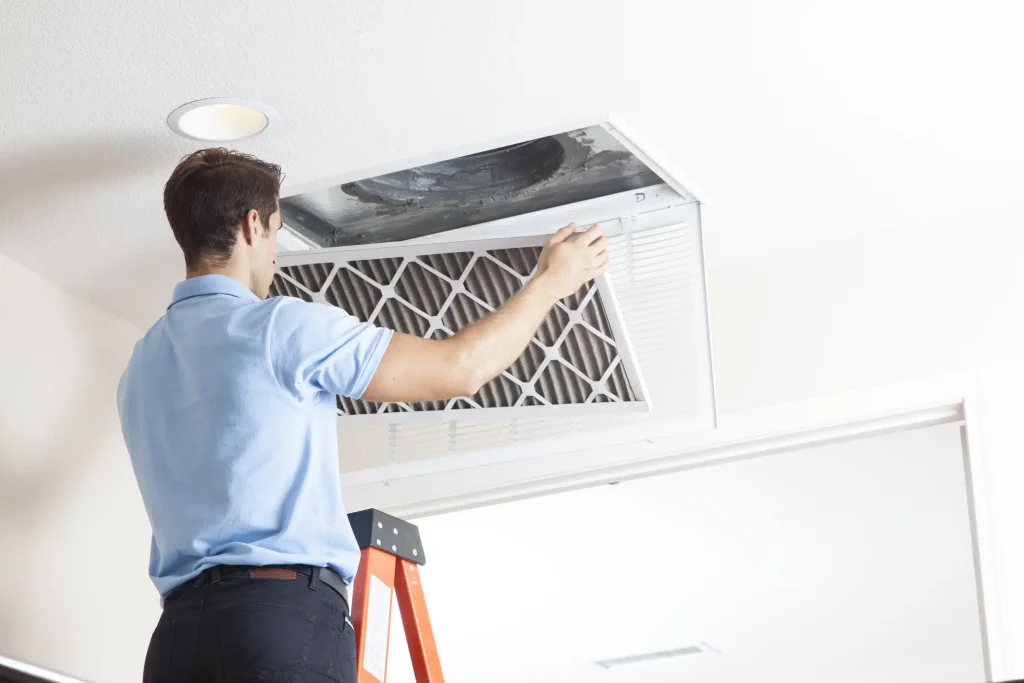
Air conditioning is an important part of maintaining a comfortable indoor environment during the Texas Panhandle’s hottest months. When outdoor temperatures remain high for extended periods, a struggling cooling system may have difficulty maintaining the temperature set at the thermostat.
Regular professional attention can help identify developing concerns before the system is under its greatest seasonal demand. Dirty filters, restricted airflow, electrical problems, thermostat issues, and other conditions can affect how effectively an HVAC system cools the home.
Our local experience gives us an understanding of the demands placed on HVAC equipment throughout the Texas Panhandle and the importance of dependable cooling during the summer.

Take A Look At Our
HVAC FAQs
How can I know if my HVAC or plumbing system needs service?
Watch for signs like reduced airflow, strange odors or noises, water stains, low pressure, leaks, or a sudden spike in utility bills. Regular inspections and preventative maintenance can help identify issues early and avoid costly repairs or replacements.
What maintenance routines help extend HVAC system life?
Regular maintenance includes changing filters, inspecting key components, flushing water heaters, checking refrigerant levels, and lubricating moving parts. Yearly or semiannual tune-ups prevent breakdowns and maximize performance and efficiency.
How should I choose between repair and replacement?
Decisions depend on system age, severity of the issue, and cost-effectiveness. If your HVAC unit or plumbing fixture is over 10–15 years old with frequent issues, replacement may be more economical. Contractors can help assess whether repair or replacement is the best long-term option.
Why is the AC blowing warm air?
Warm air coming from an AC system can be caused by low refrigerant levels, dirty or clogged filters, thermostat issues, or a malfunctioning compressor. It may also result from restricted airflow or duct problems. In some cases, the system may still be running but not cooling effectively due to internal issues that require repair.
Why does the HVAC system run constantly?
An HVAC system that runs continuously may be struggling to maintain the desired temperature. This can be caused by poor insulation, air leaks, dirty filters, duct issues, or an improperly sized system. It may also indicate a malfunction that is preventing the system from cycling correctly. A professional evaluation can determine the cause and improve efficiency.
What should be expected during an HVAC repair visit?
During an HVAC repair visit, the technician will start by asking about the issue and inspecting the system to diagnose the problem. This typically includes checking components like the thermostat, filters, electrical connections, and airflow. Once the issue is identified, they will explain the problem, outline recommended repairs, and provide an estimate before moving forward. Bob Jay’s focuses on clear communication so homeowners understand what is happening every step of the way.
Why Can Amarillo Homes Have Uneven Indoor Temperatures?
A room that consistently feels warmer or cooler than the rest of the home does not necessarily mean the air conditioner itself is failing. Amarillo’s intense summer sun can create greater heat gain in certain areas of a house, particularly rooms with significant exterior exposure or large windows.
Uneven temperatures can also result from ductwork problems, inadequate insulation, blocked vents, air leaks, airflow restrictions, or an HVAC system that is not properly matched to the home’s needs. Determining the cause requires looking beyond the thermostat and evaluating how conditioned air moves throughout the property.
